Free Nonogram Games Online: The Complete 2026 Guide
What Are Nonograms?
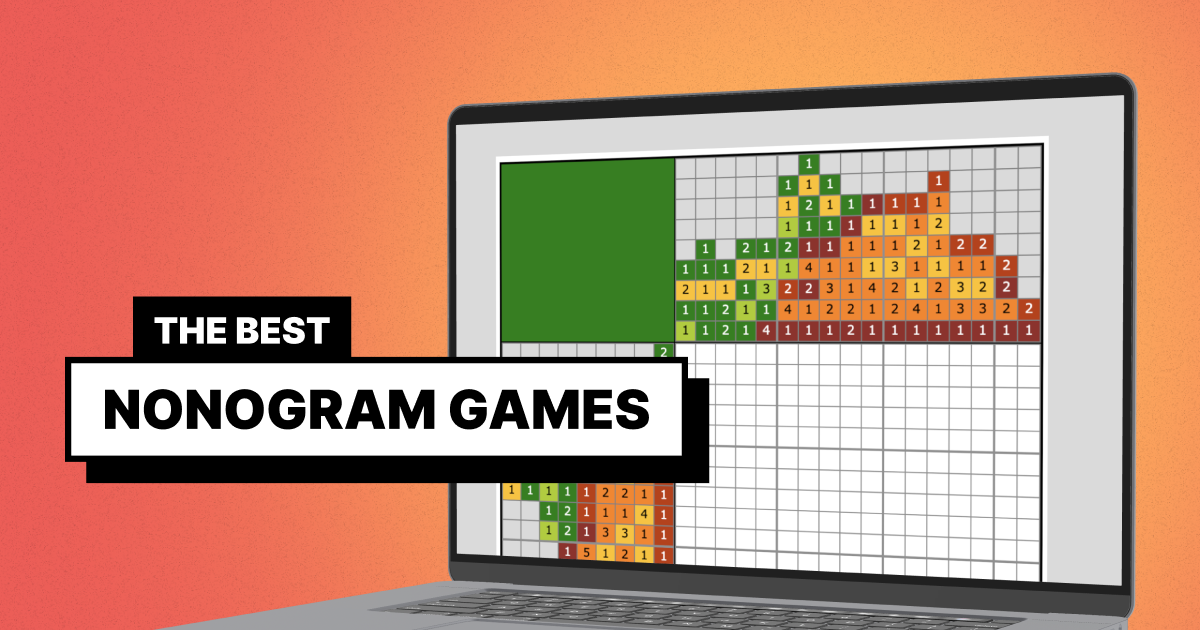
Nonograms are picture‑logic puzzles that challenge players to add shaded squares and empty spaces in accordance with the board’s row and column clues. When all of the row and column clues have been accounted for, and the correct cells are shaded in, a hidden image appears, signaling that the player has successfully solved the board.
Nonogram puzzles go by several different names, and there are also multiple variations of the core game.
Some other names for Nonogram puzzles include:
- Picross
- Griddlers
- Hanjie
- Paint‑by‑Numbers
That said, all Nonogram puzzles have the same foundation. Each game features:
- Block clues for each horizontal and vertical line
- Shaded squares or crossed-out empty cells
- Deduction via line scanning and overlaps
Are you a new Nonogram player? If so, we recommend you start with a 5×5 or 10×10 board to learn the basic rules of the game.
The Best Free Nonogram Games Online (2026)
As mentioned earlier, there are plenty of sites players can visit to play Nonogram and Nonogram variants. You may be wondering which sites are the best. That’s why we’ve curated a list of the highest‑quality, truly free Nonogram platforms.
All of the following are accessible in the browser. No downloads, no accounts required.
1. Nonograms.co
Nonograms.co is a new site that offers a classic, no-frills interface featuring thousands of puzzles at varying levels of difficulty.
Why it’s great:
- Modern & minimalistic UI: The site is easy to navigate, and its clean design makes for a straightforward playing experience.
- Adjustable difficulty and size: Grid sizes can be adjusted from 5×5 to 25×25, with difficulties ranging from Easy to Expert
- User-friendly: Simple input controls and quick input responsiveness help contribute to the site’s smooth gameplay.
Best for: Beginners and/or minimalists who are seeking an enjoyable playing session that plays flawlessly on both desktop and mobile machines.
2. Griddlers.net
Griddlers is one of the oldest Nonogram hubs on the internet.
Why it’s great:
- Massive puzzle archives: In addition to the Griddler of the day, the site also features user-created puzzles (293,528 and counting), as well as a vast pool of Nonogram variants.
- Community ratings: User submissions on Griddlers are particularly enjoyable thanks to the community rating system, which allows players to rate a board’s composition through a scoring system that contributes to the board’s overall popularity rating.
- Colored Nonograms: Griddler winners aren’t just limited to black-and-white images — color is a key component across many of the Nonogram and Nonogram variants.
Best for: Players who want variety and challenge.
3. Nonogram.com (Mobile + Web)
Nonogram.com’s URL ends in .com, which is a bit ironic given its layout. The homepage immediately directs you to its two smartphone apps (the original app and its color-infused alternative, Nonogram.com Color). That said, both apps offer a polished, modern gameplay experience with smooth interactions.
Why it’s great:
- Daily puzzles: Players who solve the site’s daily challenges (multiple tasks per day) can collect a reward at the end of each month. Compete with friends to see who can snag the most rewards in a year!
- Secret levels: Fulfilling all daily tasks (e.g., color 100 squares, pass 5 levels, etc.) opens a secret level with a secret end-game image.
- Tournaments & seasonal events: Compete with other Nonogram enthusiasts in time-limited activities and contests, or play nonogram puzzles with seasonal themes (examples include Christmas, spring festival, and Thanksgiving Day-inspired boards).
Best for: Players who prefer a mobile-first experience, or competitive players who enjoy securing rewards, postcards, and bragging rights!
4. Pixelogic
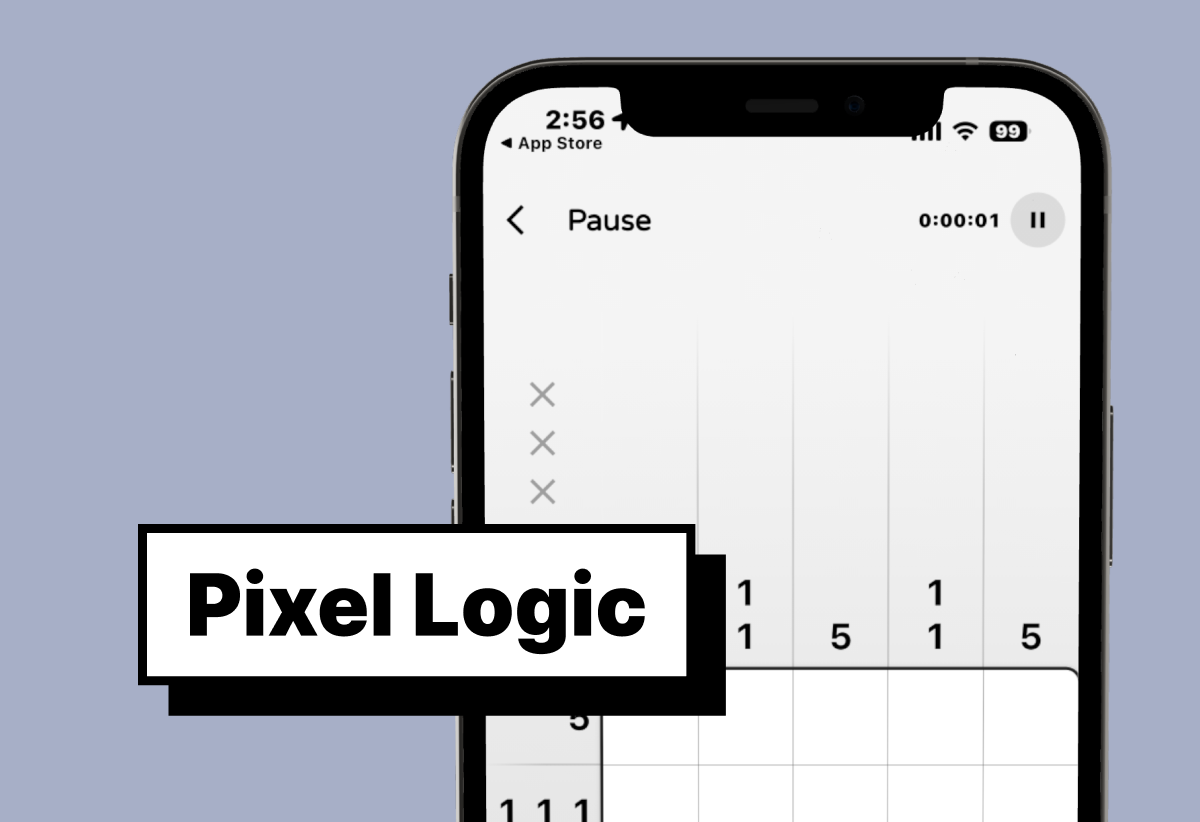
Pixelogic is an incredibly interesting site for a few reasons.
Why it’s great:
- Every 5x5 board: Pixelogic offers all 24,976,511 solvable 5x5 Nonogram boards. You really can’t miss out when playing on this site!
- Creator mode: Players can create their own nonograms, then share them with friends. Some user-created boards even get featured as a daily or weekly puzzle.
- Ranked sessions: Competitive play is unleashed on Pixelogic. Ranked mode allows players to track their times and accuracy after each session. Check out the leaderboards to compare scores from players across the globe.
Best for: Cyclical, creative, and/or competitive players!
5. Online Nonograms
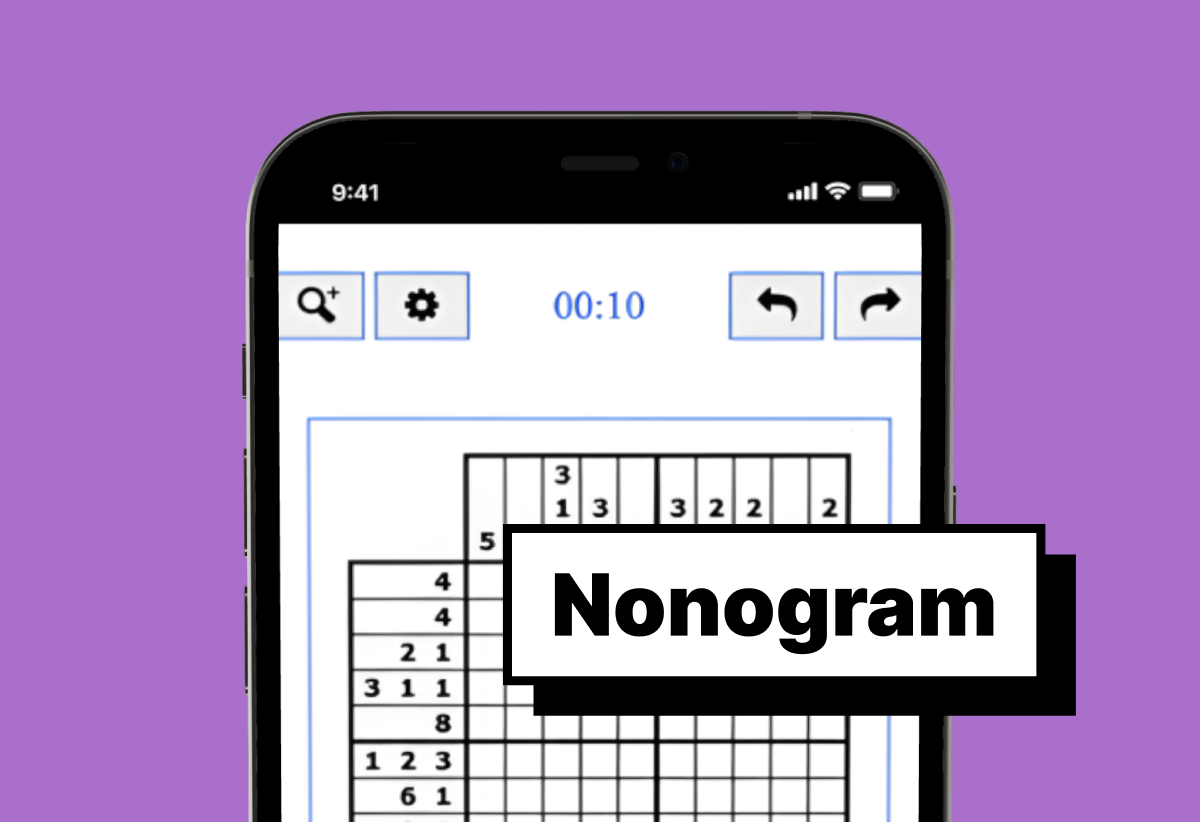
Online Nonograms is another no-nonsense site. Minimal ads and a clean user interface make for a site experience.
Why it’s great:
- Player Input: Players can provide their input in the comment section of each board. Converse with fellow players about the board's difficulty, the strategies you attempted, or the final image.
- Seamless Filters: Filter by color, grid size, image type, and more.
- Saving Features: Mark boards as saved, solved, unresolved, or blacklisted from your free profile.
Best for: True Nonogram enthusiasts who enjoy discussing the game with other players.
What Makes a Nonogram Platform Good?
1. Input Controls
A Nonogram site’s input controls are essential to the player experience. If input controls are clunky or overcomplicated, the gameplay experience will suffer.
High-quality Nonogram UIs let you:
- Drag your cursor across cells to shade in squares.
- Drag your cursor across cells to cross out empty cells.
- Switch between your shaded square and cross-out tools quickly.
2. Helpful Tools
Some sites will provide players with extra tools — think of these as added benefits to your Nonogram solving experience. If you can, try to track down sites that offer:
- Auto‑cross tools on solved blocks (controls that automatically fill unaddressed cells within a line with squares or Xs).
- Toggleable error highlighting that indicates which cells need to be corrected to advance the board.
- Zoom controls that make it easier to scan specific sections on the board; this is particularly helpful on the more expansive boards.
- Undo/redo buttons to quickly backtrack or reapply moves.
3. Puzzle Variety
If you are playing boards with the same dimensions, line clues, and difficulties, you are going to get bored quite quickly.
A good site offers puzzle variety, including (but not limited to):
- Small boards (5×5)
- Mid-sized boards (10×10 to 15×15)
- Larger challenges (20×20+)
- Bonus: Unique variations such as color puzzles, non-square-shaped boards, or multi-image boards.
4. A Clean, Non‑Intrusive UI
Similar to the likes of input controls, a site’s UI is critical to the overall playing experience. If the UI is intrusive or distracting, players will notice (and likely leave the site).
Ads are tolerable. Annoying pop‑ups and timers are not.
Free vs. Paid Nonogram Games
There are some key differences between free and paid Nonogram platforms.
Free versions typically have ads running on their site. They also contain hundreds of puzzles, if not thousands, making them great for casual playing sessions.
Paid sites will almost always offer an ad-free experience. Many offer players mega-packs, or bundles of Nonogram puzzles (as well as fun variants) that have been vetted for quality. They also typically have better user interfaces, control inputs, animations, and streak tracking features.
Most players will find the free experience is perfectly fine, but those who are seeking advanced features may want to consider registering for a paid platform.
Are Free Nonogram Games Good for Brain Training?
Yes, free Nonogram games are great for brain training purposes.
Nonograms sharpen players’ spatial reasoning, deduction skills, as well as their working memory. These puzzles also help players improve their line-by-line logic, which is useful across several other logic-based games.
How do Nonograms Compare to Sumplete?
Nonograms and Sumplete share a foundation of line-based logic, but Nonograms emphasize visual patterns, whereas Sumplete boards prioritize numerical deduction.
If you have already tried Nonograms and want to pivot to arithmetic-focused brain training, we recommend you try Sumplete. Sumplete players must use addition-based logic to solve for sum clues associated with each horizontal and vertical line on the square grid.
New to Sumplete? Try one of the daily challenges today:
FAQ
Are Nonograms hard to learn?
Nonograms are easy to learn and solve in the beginning, but the difficulty level scales quickly.
Do Nonograms require math?
No, Nonograms do not require math. Nonograms only require visual logic and pattern recognition.
What’s the best Nonogram size for beginners?
The best Nonogram board sizes for beginners are the 5×5 or 10×10 grids.
 Mini Crossword
 Midi Crossword
 Diffle
 Killer Sudoku
 Numberle